Happy Lettering: A Handwritten Font for Charming Craft Projects
When you are designing physical products, the right typeface does more than just convey information; it sets the emotional tone of your brand. For handmade sellers, printable creators, and small shop owners, finding a font that balances personality with practicality is essential. Happy Lettering is a handwritten script from the Script Amp collection that brings an immediate sense of warmth and approachability to any design. It is not just a decorative element; it is a versatile tool that can elevate everything from product labels to wedding invitations.
This creative font captures the essence of casual, joyful handwriting without sacrificing readability. Whether you are using Cricut or Silhouette machines to cut vinyl for mugs and shirts, or you are creating digital downloads for Etsy, Happy Lettering offers a modern typography style that feels personal and authentic. It bridges the gap between professional polish and homemade charm, making it ideal for brands that want to appear friendly, trustworthy, and artisanal.
Why This Handwritten Typeface Works for Physical Products
In the world of e-commerce and handmade goods, first impressions are visual. Customers often judge the quality of a product by its packaging and presentation. A generic sans serif font might look clean, but it can feel cold. In contrast, a well-executed handwritten font like Happy Lettering adds a human touch. It suggests that a real person crafted the item, which is a key selling point for boutique tags, candle labels, and artisanal food packaging.
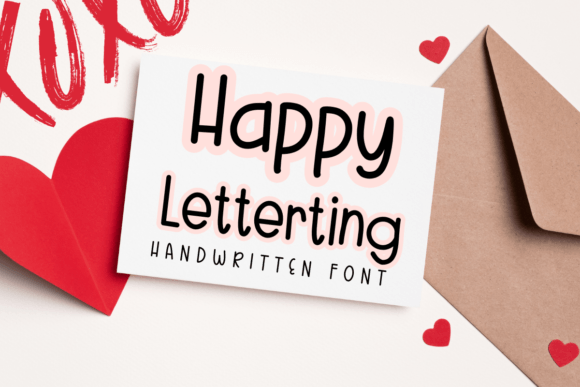
The visual personality of this font is light, airy, and slightly informal. The letterforms have a natural flow that mimics quick, happy journaling. This makes it particularly effective for short phrases, names, and titles where legibility is paramount. When used on product labels or stickers, the high contrast between the thick and thin strokes ensures that the text remains clear even at smaller sizes. This is crucial for items like jar labels for jams or honey, where space is limited but branding needs to stand out.
Furthermore, the font’s cheerful demeanor aligns perfectly with seasonal craft designs. Imagine using Happy Lettering for holiday product packaging during Christmas or Easter. The playful nature of the letters enhances the festive mood without looking childish. It strikes a balance that appeals to both children and adults, broadening your potential customer base. For digital printables, such as planner pages or wall art, the font adds a layer of inspiration and positivity that encourages users to engage with the content.
Practical Applications in Crafting and Design
The versatility of Happy Lettering allows it to be integrated into a wide variety of projects. Here are some specific ways this commercial font can enhance your product line:
- Greeting Cards and Stationery: Use the font for the main greeting or recipient name. Its handwritten style feels intimate, perfect for birthday cards, thank-you notes, or wedding RSVPs. Pair it with delicate floral illustrations for a soft, romantic aesthetic.
- Invitations and Event Signage: For baby showers, bridal showers, or casual dinner parties, Happy Lettering works beautifully on welcome boards and table numbers. It creates an inviting atmosphere that makes guests feel at home immediately.
- Apparel and Accessories: When designing SVG files for t-shirts, tote bags, or hoodies, this font stands out against various fabrics. It looks especially good in bold colors or metallic foils when printed via heat transfer vinyl (HTV). The curves of the letters complement the organic shapes often found in boho or farmhouse-style apparel designs.
- Home Decor and Wall Art: Create motivational quotes or nursery prints using this typeface. Its clean lines ensure that messages remain readable from a distance, while the handwritten style keeps the decor feeling cozy rather than sterile.
- Product Packaging: For soap makers, candle creators, or bakeries, Happy Lettering can be used on custom boxes and bags. It helps establish a consistent brand identity that customers will recognize on shelves or in social media feeds.
Readability and Technical Considerations
While Happy Lettering is expressive, it is important to use it wisely to maintain professionalism. As a display font, it is best suited for headlines, logos, and short text blocks rather than long paragraphs. Trying to set body copy in a handwritten script can lead to eye strain and confusion for the reader. Reserve the longer text for a complementary clean sans serif font or a simple serif font to provide visual relief and structure.
For crafters using cutting machines, pay attention to the complexity of the letter connections. Some handwritten fonts have intricate ligatures that may require extra care when weeding vinyl. Test your designs at the actual size you intend to produce before committing to large batches. If you are creating small stickers or mug wraps, ensure that the font size is large enough to be legible after printing or cutting. Mockup previews are invaluable here; they help you visualize how the texture of the material interacts with the font’s details.
Additionally, check the file formats included with the download. Most premium fonts come in OTF and TTF formats, ensuring compatibility with Adobe Illustrator, Photoshop, Canva, and other design software. If the font includes alternates, swashes, or special characters, experiment with them to add unique flair to your designs. These features can turn a standard word into a distinctive logo mark or decorative element.
Font Pairing Strategies
To maximize the impact of Happy Lettering, pair it strategically. Since it is a creative font with strong personality, it pairs well with neutral, understated typefaces. A classic combination is Happy Lettering for the headline and a geometric sans serif font for subheadings or descriptions. This contrast highlights the whimsy of the script while maintaining clarity for informational text.
Another effective pairing involves combining the handwritten style with a traditional serif font. This mix of old-world elegance and modern playfulness works exceptionally well for vintage-inspired brands, bakery logos, or rustic wedding stationery. The key is to let one font take the lead while the other supports it, creating a balanced hierarchy that guides the viewer’s eye naturally through the design.
Licensing and Commercial Use
As a seller, understanding licensing is critical. Always review the end-user license agreement (EULA) provided with Happy Lettering. Most commercial fonts allow you to use them in physical products you sell, such as printed cards, stickers, and packaged goods. However, restrictions may apply to digital resale, such as selling the font file itself or including it in template bundles. Ensure you have the appropriate license for your specific business model to avoid legal issues and protect your reputation as a responsible creator.
By choosing Happy Lettering, you are investing in a design asset that resonates with customers on an emotional level. It transforms ordinary items into memorable experiences, helping your handmade business stand out in a crowded marketplace. Whether you are updating your brand identity or starting a new product line, this handwritten font offers the charm and reliability needed to succeed.